
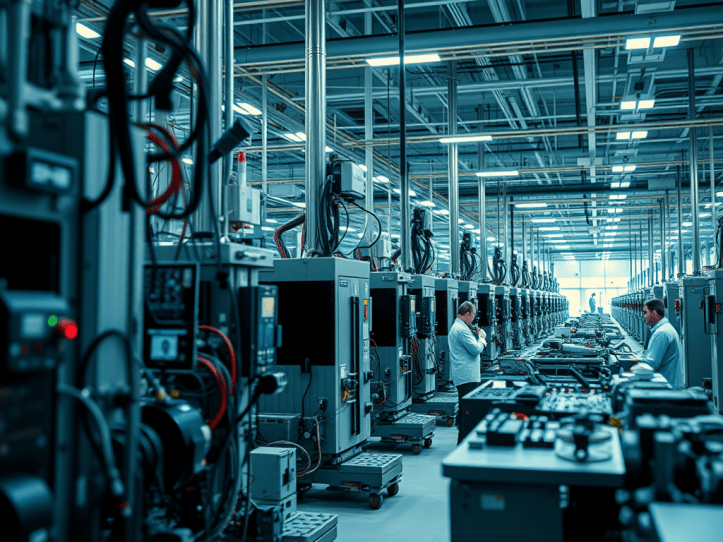
Taiwan Semiconductor Manufacturing Company (TSMC), the world’s largest contract chipmaker, recently began mass production of 4nm chips at its Arizona Fab 21 facility. While this marks a significant milestone in strengthening the U.S. semiconductor supply chain, it also raises questions about how these chips’ higher production costs will impact American consumers and the prices of everyday goods.
The Cost of Domestic Production
TSMC’s decision to manufacture chips in Arizona aligns with efforts to bolster domestic semiconductor production spurred by the U.S. CHIPS and Science Act. However, the cost of producing chips in the United States is significantly higher than in Taiwan. The reasons include:
- Labor Costs: Wages and benefits in the U.S. are substantially higher than in Taiwan, where TSMC’s operations are more cost-effective.¹
- Supply Chain Adjustments: Establishing and optimizing a new supply chain in the U.S. adds logistical and operational expenses. 2
- Ramping Up Production: New facilities typically experience inefficiencies in the early stages of production.³
These factors contribute to the higher price of chips manufactured in Arizona, which may affect the companies that rely on them—and eventually, consumers.
How Higher Chip Costs Affect Consumer Goods
Chips are essential components in a wide range of consumer goods, from smartphones and laptops to cars and smart home devices. When the cost of these components rises, manufacturers often face a choice:
- Absorb the Cost: Some companies may choose to accept lower profit margins to keep retail prices competitive.
- Pass on the Cost: Others may increase prices, making products more expensive for consumers.
For example, if chips for a new smartphone cost 10% more due to higher production costs, that increase may translate to a $10–$50 price hike for the device, depending on the manufacturer’s pricing strategy. Similarly, automakers and appliance manufacturers could adjust prices to account for more expensive semiconductor components.⁴
The Geopolitical and Strategic Perspective
Beyond consumer prices, the Arizona fab is part of a broader U.S. strategy to reduce dependence on foreign semiconductor suppliers, especially amid rising geopolitical tensions with China. By diversifying its production locations, TSMC enhances supply chain resilience, ensuring a more stable supply of chips during global disruptions.
However, this “insurance policy” comes at a cost. Building and operating fabs in countries with higher living costs results in more expensive chips. These higher costs are essentially the price of supply chain security—an investment that may pay off during crises but has immediate effects on pricing.⁵
Will U.S. Manufacturers Switch to Domestic Chips?
While TSMC’s Arizona facility improves chip availability within the U.S., the higher prices may prompt some manufacturers to continue sourcing from overseas. The U.S. government has anticipated this issue, using subsidies, tax credits, and potential tariffs to make domestic production more competitive.⁶
The CHIPS Act aims to incentivize the use of American-made semiconductors. This could help offset cost differences in the long term. Such measures may stabilize prices, but achieving parity with international production costs will take time.⁷
What Does This Mean for U.S. Consumers?
In the short term, consumers may see modest price increases for goods that rely heavily on advanced semiconductors. Smartphones, gaming consoles, and electric vehicles—products that require cutting-edge 4nm chips—are particularly vulnerable to these price adjustments.
However, the long-term picture offers some optimism. By investing in domestic production, the U.S. ensures a more resilient supply chain, reducing the risk of shortages and price spikes during geopolitical or pandemic-related disruptions. While consumers may pay a premium for goods now, these investments could lead to greater stability and innovation in the future.
TSMC’s Arizona Fab 21 represents a step forward in reshaping the semiconductor landscape and strengthening U.S. technological independence. Although higher production costs may lead to slightly increased prices for consumer goods in the short term, the benefits of a secure and resilient supply chain could outweigh these costs in the long run. For consumers, this moment reflects both the challenges and opportunities of rebuilding critical manufacturing capabilities within the United States.
Resources
- Statista, “Global Semiconductor Wage Comparisons,” (https://www.statista.com/outlook/tmo/cybersecurity/security-services/professional-services/worldwide)
- McKinsey & Company, “Challenges in Ramping Up Semiconductor Fabs,” link
- CNBC, “Impact of Semiconductor Prices on Consumer Electronics,” link
- Brookings Institution, “The Geopolitics of Semiconductor Manufacturing,” link
- U.S. CHIPS and Science Act Fact Sheet, link
- Forbes, “Incentivizing Domestic Semiconductor Use,” link
- WccfTech.com, “TSMC’s US Chipmaking Costs Can Be 30% Higher Due To Chemical Supply Chain Warns Bank, ” (https://wccftech.com/tsmcs-us-chipmaking-costs-can-be-30-higher-due-to-chemical-supply-chain-warns-bank/)

 Entrepreneur Uncovered